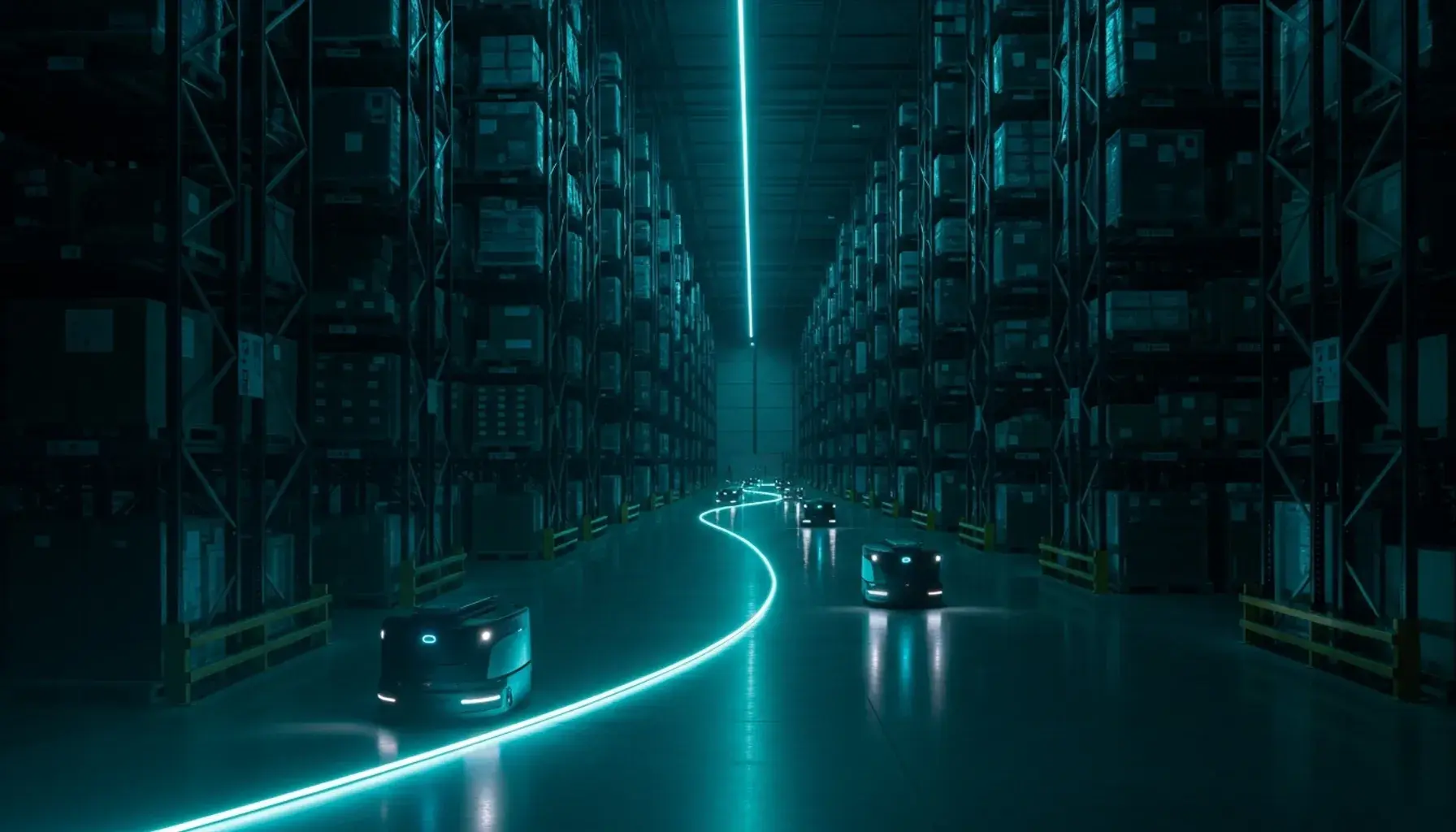
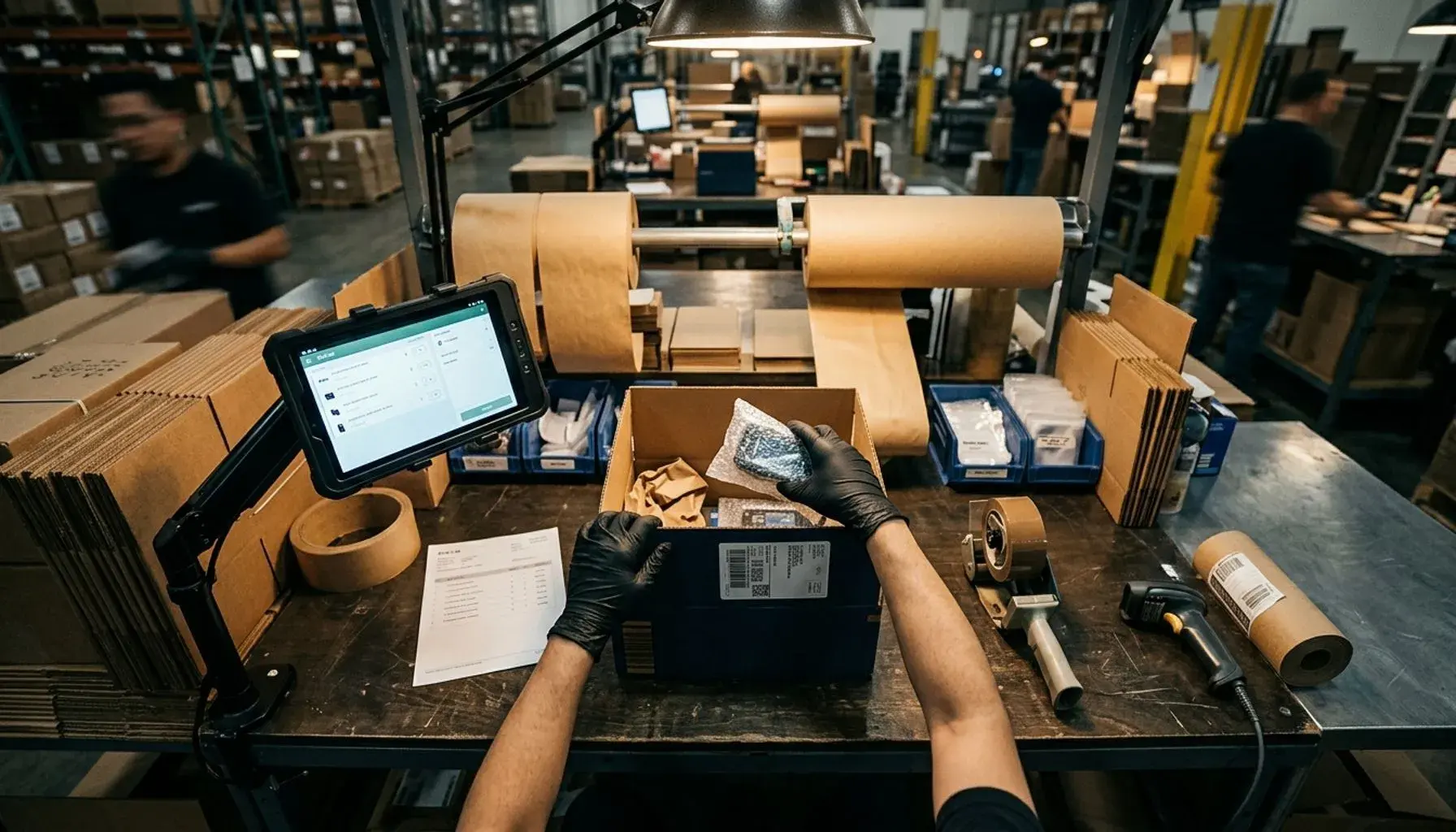
Traditionally, the supply chain and order management has been seen as a “back-office” function, while the IT and marketing team have been the main champions of data and insights. However, there is major value in taking a look at your OMS and warehouse for valuable and actionable customer insights.
In the Forrester Business Technographics Survey, the analytics firm found that 27% of SCM professionals and 22% of logistics and distribution professionals are using or plan to use big data and analytics. With the wealth of information available from these operations – this is decidedly too low. Closing the gap between sales, marketing and the warehouse may help you shed more light on why certain customer behaviors are becoming a trend, or why key performance indicators are staying stagnant.
The Key Measurements
Trying to parse out every data point into actionable insights can become a time-sink fast, especially for the warehouse management professionals that already wear many hats in the organization. Finding a few Key Performance Indicators (KPIs) to focus on can help your team zero in on the most pertinent information.
For instance, is your percentage of on-time deliveries up to industry standard? If it’s not – that may be why marketing is seeing a drop in repeat customers. The customer experience cycle in online retail starts with the URL and ends with the package coming to the door on-time, and with the correct order. Identifying inaccuracies at the fulfillment and inventory stage is crucial to understanding the full customer buying experience – and how to improve upon it.
Making Efficiency the Standard
Knowing where your inventory is, and how much you have seems like a simple concept. However, with multiple warehouses, physical stores, drop-shippers and third-party vendors in the mix – things can start to get complicated. Having an order management system that can centralize this information and provide enterprise-wide real-time inventory counts is crucial to making sure your customers have the best buying experience possible across any channel.
Another way to increase conversion is letting your customers shop from any store in your repertoire. In-store fulfillment has been gaining traction for a few years now, for good reason. It lets your customers shop from every piece of inventory your own, and lets you hold less excess in your warehouses and move things out quicker – with less discounting.
Overall, the order management and warehouse is not just a goldmine of physical inventory, it should be leveraged for customer insights and data to improve experience for customers and can be used by multiple business units across the enterprise.
For more information about how a unified OMS can help improve CX -- let's chat.