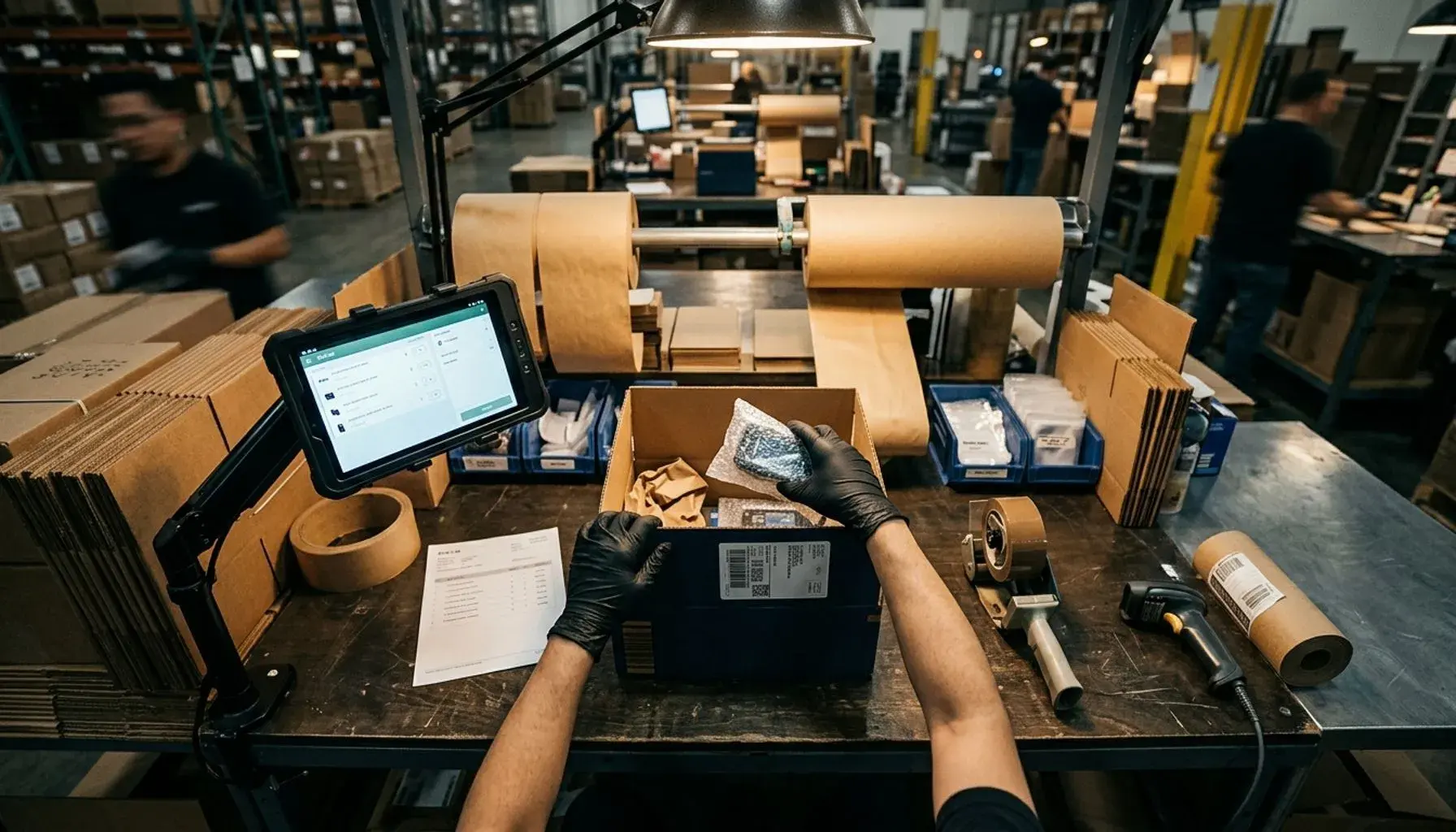
Achieving revenue goals and minimized inventory with little leftover for closeouts means a successful holiday season across all points-of-sale was had. This is the ultimate goal of any retailer during holiday. Hitting forecasts from customers buying online, in-stores, catalog, on the phone and every other platform, while operating a perfect omnichannel operation… That’s nirvana for executives in the selling industry.
That is, until shipping costs begin to creep into revenue and create losses where there should be neutrality or gains. With Amazon making two-day shipping a common reality for consumers, retailers are wondering how to compete with this new norm, while protecting their bottom line. Tight shipping deadlines and peak order times can spell disaster for overhead and productivity and shipping is not a cost that is able to be forecasted accurately traditionally. Everything from weather delays to rising costs of private shippers can impact the year-over-year costs of getting items to the customer. So, what can you do?
What’s the 411?
According to analytics blog Kissmetrics, The Statistic: 28% of shoppers will abandon their shopping cart if presented with unexpected shipping costs. This number quickly begins to eat into revenue when the exit rate of potential customers increases.
But what about you? As the retailer, finding the balance between charging enough for shipping to protect your bottom line, not overloading the warehouse with rush orders, and ensuring customers finish their order can feel like throwing darts at a tiny dartboard, trying to hit the bullseye.
What can you do?
Inefficient shipping methods eat into your bottom line, it's one of the biggest drivers of lost revenue for companies that ship goods. A shipping management system that automatically price compares shipping costs for each order eliminates lost revenue from overpaying on shipping costs, and doesn’t incur excess overhead from paying a warehouse manager to manually calculate the best time vs. cost shipping method.
If your current warehouse management system does not incorporate methods to customize shipping parameters like weight, dimensions and specialty packaging of every order and syncs source and destination information of the shipment, you could be losing real dollars. During holiday time, with packages flying out the door and orders flying in… This could become a detriment to business.
Want to know more about how to save on shipping costs and use shipping as an efficiency? Let’s chat about the features SmartStock360 has built-in.