
Shopify Dropshipping Operations
Efficiently managing orders is the backbone of successful dropshipping operations on Shopify, especially when an order includes products sourced from multiple suppliers. This is where the concept of split dropship orders becomes essential. Rather than treating a customer's order as a single package, Shopify merchants often must break it into segments based on which supplier will fulfill each item. This approach introduces both operational complexity and new opportunities to ensure on-time, accurate deliveries.
This article dives deep into how Shopify split dropship orders work in practice, why they matter in multi-supplier environments, and the realities of keeping fulfillment, communication, and customer satisfaction under control. Whether you're scaling up a sophisticated vendor network or just troubleshooting persistent issues, understanding the nuts and bolts of split order management is non-optional.
For a broader context, see the Shopify Dropshipping Operations overview for fundamental strategies.
Key Takeaways
-
Shopify split dropship orders divide customer purchases into separate fulfillments based on which supplier handles each item.
-
Splitting orders is often necessary when products come from multiple suppliers, have varied stock statuses, or require special handling.
-
Effective split dropship order management relies on clear communication to set customer expectations about separate shipments and tracking updates.
-
Operational complexity rises with split orders, including higher shipping costs, fragmented delivery experiences, and varied return processes.
-
Shopify's native capabilities for managing split dropship orders are limited, so third-party apps or middleware are commonly needed for complete control.
What Split Dropship Orders Mean in Shopify
How Split Dropship Orders Differ From Standard Orders
In a standard Shopify order, all items, whether one or many, are processed together, typically leaving the warehouse in a single shipment and generating a single tracking number. Everything is unified: shipping cost, email notifications, delivery timeline. In contrast, a split dropship order is divided into smaller sub-orders or fulfillments, each routed to its respective supplier for processing. This is not just a technical distinction. In practice, it means the customer's experience, your operational workflow, and post-sale support each become segmented and multi-threaded.
Why Multi-Supplier Orders Often Need to Be Split
Orders need splitting for several reasons: when a single cart contains products stocked by different suppliers, when inventory locations differ, or when fulfillment capabilities (like shipping method or region coverage) aren't universal. Separate suppliers may also reflect different back-end systems, geographic locations, or even time zones. Rather than forcing a single party to consolidate logistics, split orders delegate fulfillment responsibility to whoever can deliver the item fastest, most efficiently, or at all. This division is often non-negotiable in the world of dropshipping, where central inventory does not exist.
Common Scenarios for Split Dropship Orders
Different Items Fulfilled by Different Suppliers
The most routine scenario: a customer orders three items, each supplied by a different vendor. That means, operationally, there are three fulfillment legs, potentially three separate shipping confirmations, tracking numbers, and packages on the customer's doorstep. Some Shopify setups attempt to automate the split, but manual oversight is often needed to manage exceptions, address errors, or handle communication gaps.
Mixed Stock Status Across Suppliers (In-Stock vs Backordered)
A more complex case occurs when one vendor can immediately fulfill their item, but another has it backordered or delayed. Merchants then face a choice: hold all shipments until every item is available (usually not best for customer satisfaction), or split the order so in-stock items ship immediately, with backordered stock following when available. Split shipments here are about responsiveness, minimizing customer wait times even if it means multiple delivery waves.
Customer Requests and Special Handling Requirements
Customers occasionally ask for certain items to be shipped separately, due to urgency, address preferences, or even gifting needs. Other times, products have special handling needs (fragile, cold-packed, oversized) that force a split as certain suppliers or fulfillment partners are uniquely equipped for the task. Operationally, this means order splitting isn't just about inventory and geography: it's sometimes dictated by customer service and logistical realities.
How Split Dropship Orders Flow Operationally
Conceptual View of How Orders Are Split by Supplier
When a customer checks out, Shopify creates a single order record. The split happens at the fulfillment plan stage: each line item is evaluated for supplier assignment, typically based on pre-configured supplier-product mappings or stock location logic. Items assigned to different suppliers become separate fulfillments within the single Shopify order. This split may be surfaced in Shopify's admin as multiple fulfillment requests, each routed externally or tracked based on supplier connection methods.
How Split Dropship Orders Affect Fulfillment and Tracking
Operationally, each split results in an independent fulfillment timeline. Some items ship within hours, others days later, depending on supplier SLAs or processing cutoffs. Tracking becomes fragmented: the customer receives a tracking update per shipment, and the merchant must monitor each supplier's performance individually. Failure to track properly increases the risk of lost shipments, missed updates, or unhappy customers wondering where the rest of their order is.
Implications for Customer Communication and Expectations
Clear communication is paramount for split orders. Customers must be notified at checkout and post-sale that items will arrive separately, each with its own tracking. If Shopify's own notifications are insufficient, supplementary email templates or status portals are often deployed. Merchants who communicate proactively about split fulfillments keep confusion, and support requests, at a minimum.
Operational Challenges With Split Dropship Orders
Higher Shipping Costs and Fragmented Experiences
Shipping costs almost always rise with split orders: each supplier typically applies their own logistics fees, which may not be optimized across the whole cart. For the customer, what seemed like a single purchase turns into multiple unboxing events, potentially on different days and from different carriers. The merchant's brand experience can be diluted unless packaging and pace are tightly coordinated.
Coordinating Timelines and Policies Across Suppliers
No two suppliers operate with identical fulfillment schedules. Tracking down discrepancies, such as one vendor shipping late or using an unexpected courier, adds to operational headache. Further, return policies, cutoff times, or even packaging standards can vary, meaning the same order may be governed by very different processes depending on supplier splits. Keeping all parties synchronized requires active management.
Managing Returns and Support Across Multiple Vendors
The complexity doesn't end at delivery. Returns, replacements, or lost shipment claims need to be steered to the right supplier for resolution. Merchants must track which item came from which vendor and ensure each follows their own protocols. Without strong internal systems, customers may be left frustrated as queries bounce between different parties.
Best Practices for Managing Split Dropship Orders
Setting Clear Rules for When to Split by Supplier
Success starts with firm operational rules: when should an order be split? Criteria might include supplier assignment, stock status, or explicit customer requests. Consistency is critical, ad hoc decisions lead to errors and confusion. Ideally, the system should automate as much of the split logic as possible and flag exceptions for manual review.
Communicating Clearly About Multi-Supplier Shipments
Customer-facing communication must set the right expectations upfront. Use clear checkout messages, adjust post-purchase email copy, and provide status updates when each shipment is dispatched. Whenever possible, consolidate tracking visibility, so buyers can easily see outstanding and delivered packages in one place.
Centralizing Visibility So Merchants and Customers Stay Informed
Internally, merchants need centralized dashboards or reports that consolidate fulfillment status per order, regardless of how many splits occurred. Without this, support teams face a fog of partial information, and small problems can snowball into lost sales or negative reviews. The best operations offer a unified view that can be shared, securely, with the end customer.
Limitations of Shopify’s Native Support for Split Dropship Orders
Gaps in Multi-Supplier Order Visibility
Shopify's native tools provide only partial visibility across multi-supplier splits. The platform was originally designed for inventory consolidation, with multi-location and vendor features bolted on later. As a result, merchants often find themselves piecing together order status from various screens, emails, or supplier updates.
Dependence on Apps or Middleware to Manage Splits
To bridge these gaps, most growing merchants eventually adopt external middleware, automation, or reporting tools. Shopify alone lacks sophisticated rules engines for supplier assignment, cross-supplier communication, or unified tracking for split orders. Reliance on third-party systems adds yet another layer of complexity, but is currently necessary for comprehensive multi-supplier dropship management.
Next Steps and Related Guides
Splitting dropship orders by supplier is a necessity for any Shopify merchant operating in today's multi-vendor world, but it demands disciplined processes and the right technology stack. For a holistic view on optimizing your entire operation, not just splits, refer to the Shopify Dropshipping Operations overview. As operational models and customer expectations keep evolving, merchants should regularly review their split order logic, monitor supplier performance, and invest in transparency and communication for both staff and buyers.
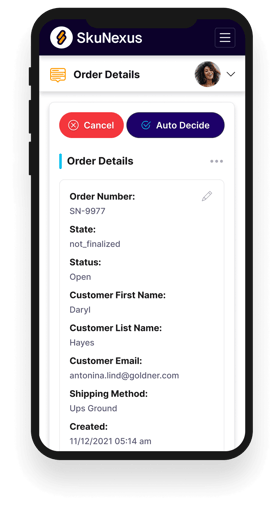
See How SkuNexus Transforms Inventory, Orders, and Fulfillment
- Say goodbye to stock issues with real time inventory tracking
- Make shipping and handling a breeze with our automated system
- Easily manage orders from all your channels in one place