
Shopify Dropshipping Operations
Dropshipping on Shopify unlocks scalability but also introduces a layer of operational complexity, especially when it comes to supplier routing. Every time a customer places a dropship order, there's a critical decision: which supplier handles which items, under what rules, and with what consequences if data isn't perfect? As the ecosystem matures, merchants quickly discover that robust, flexible dropship routing logic is essential for efficiency, clarity, and client satisfaction. This article goes deep into how dropship routing works within Shopify, outlining core concepts, the operational realities of routing to vendors, common pitfalls, and pragmatic best practices for anyone architecting or maintaining a multi-supplier dropship operation.
Key Takeaways
-
Shopify dropship routing ensures each order line is sent to the correct supplier, reducing mis-shipments and fulfillment errors.
-
Clear, flexible routing logic is critical for multi-supplier operations to prevent duplicated orders and fulfillment gaps.
-
Maintaining accurate SKU-to-vendor mappings and clean supplier data minimizes common dropship routing failures.
-
Advanced dropship routing often requires external Shopify apps or custom integrations beyond Shopify’s native capabilities.
-
Merchants should regularly audit and adjust routing rules to keep up with catalog changes, supplier updates, and market shifts.
What Dropship Routing Means in a Shopify Context
How Dropship Orders Differ From Standard Fulfillment
In traditional fulfillment, Shopify orders flow directly to an internal warehouse or a predetermined fulfillment center, owned and managed by the merchant. There's a clear line between order placement and physical shipping. Dropship orders, by contrast, live in a more fragmented reality: each line item may correspond to a different third-party supplier, each with its own procedures, SLAs, and communication patterns. Instead of simply packing and shipping from stock, Shopify must signal to the correct supplier which products to fulfill, and in many cases must coordinate separately for each order or sub-order.
Why Merchants Need Clear Vendor Routing Logic
Without well-defined routing logic, operational chaos quickly follows. Merchants face the risk of duplicated orders, delayed shipments, or even fulfillment gaps where nobody takes responsibility for an item. Shopify's basic architecture offers only rudimentary vendor assignment. As catalog size and supplier count grow, so does the risk of confusion, making a clean, transparent set of rules for dropship routing non-negotiable.
Core Concepts Behind Dropship Routing
Assigning Orders to the Correct Supplier or Vendor
The primary objective of dropship routing in Shopify is to ensure every order line reaches the correct supplier, no matter how complex the catalog. This allocation relies on a chain of data mappings: each product or SKU must be linked to the right vendor, often with conditional logic for split shipments, region-based fulfillment, or fallback scenarios. Robust routing minimizes mis-shipments and streamlines fulfillment performance.
Routing by Product, Brand, Region, or Channel
Routing rules can be nuanced. The simplest method, product-to-vendor mapping, works for single-brand shops or exclusive supplier contracts. As dropship operations grow, rules may need to account for brand exclusives, regional vendor assignments, sales channels (B2B vs. DTC), or advanced conditions such as order value thresholds or promotional inventory tiers. Companies often maintain a logic matrix: SKUs route to vendors based on a blend of attributes, not just a primary supplier field.
Coordinating Routing With Inventory Feeds and Catalog Structure
Effective routing depends on more than static rules. It must align with live inventory feeds, as out-of-stock or discontinued items may require a secondary supplier or manual workflow. Catalog structure, the taxonomy of products, tags, and collections, impacts how efficiently rules can be written and maintained. Routing failures often trace back to gaps in SKU/vendor mapping, catalog inconsistencies, or lagging inventory updates.
Operational Realities of Supplier Routing
Handling Multiple Suppliers With Overlapping Catalogs
It's rare for suppliers' catalogs to be perfectly discrete. Overlaps are common: several vendors might offer the same or similar SKUs, sometimes with different pricing or fulfillment performance. Merchants need to develop clear tie-breaker logic, prioritizing suppliers based on margin, historical reliability, shipping cost, or geographic proximity. Without such logic, split shipments or even double fulfillment can occur, muddying inventory counts and customer experience.
Timing, Cutoffs, and Sync Behavior Across Systems
Supplier readiness isn't just a matter of receiving an order. Syncs with external vendor systems might only happen at set intervals (for example, nightly or hourly), and cutoff times for same-day shipment will differ from vendor to vendor. Dropship routing logic needs to account for these windows, ensuring orders route to suppliers who can fulfill within promised timeframes. Any lag between order placement and sync increases the risk of misses or SLA violations.
Managing Communication and Expectations With Vendors
Strong vendor relationships hinge on clear expectations. Routing isn't just a technical process, it sets the tone for ongoing partnership. Vendors need timely, accurate notification of new orders, and merchants must verify that suppliers understand their obligations as dictated by the routing rules. Periodic reviews and proactive issue tracking help maintain trust, minimize missed shipments, and optimize the supplier network over time.
Common Dropship Routing Problems in Shopify Environments
Orders Routed to the Wrong Supplier
Perhaps the purest indicator of routing rule failure is an order sent to the wrong vendor. Usually, the culprit is an outdated product-to-supplier mapping, sometimes due to catalog changes, sometimes human error. Double-checking routing tables and employing alerts or exception reporting can reduce such mistakes. In complex setups, real-world examples abound: a restocked discontinued vendor reappearing in routing, or last-minute supplier changes not reflected live.
Routing Failures When Data Is Incomplete or Outdated
Dropship routing is only as good as the data feeding it. When catalog or supplier assignments are missing, incomplete, or lag behind real-world changes, even the best logic will fail. Orders get stuck unassigned, or worse, are routed to vendors who can't fulfill them. Key preventive measures include regular data hygiene, visible error logs, and having escalation paths for unrouteable orders.
Difficulties in Multi-App or Multi-Channel Setups
Shopify merchants running multiple apps, channels, or ERPs often encounter conflicting routing logic. One app may assign by brand, another by warehouse or geography, creating routing collisions. Orders may even be duplicated across systems, resulting in over-fulfillment or dead stock. Maintaining a single source of routing truth, and keeping layering of apps to a minimum, can help contain these issues.
Best Practices for Dropship Routing Strategy
Defining Clear Routing Rules and Ownership
The cornerstone of strong dropship routing is transparent, documented rules. Merchants should codify which logic applies at each decision point, be it product, brand, channel, or geography, and establish responsibility for maintaining the ruleset as supplier lists evolve. Ownership can be technical (ops or dev teams) or operational (category managers), but handoffs must be clear.
Keeping Supplier and Catalog Data Clean
Data hygiene is foundational. Every SKU needs an unambiguous supplier assignment (even if some fields allow for secondary or fallback vendors). Vendor details must remain up-to-date, especially during peak seasons or when onboarding new suppliers. Merchants should institute routine audits of both product catalog and routing logic, reconciling changes from supplier updates or merchandising decisions.
Monitoring Routing Outcomes and Adjusting Over Time
No routing rule is evergreen. Merchants should regularly review routes-per-vendor statistics, SLA adherence, and fulfillment success rates. Analytics and exception tracking can reveal patterns: bottlenecks, chronic misrouting, or opportunities to add automation. Routing logic must remain adaptable to shifts in product mix, sales regions, or supplier reliability. In this way, routing isn't a set-and-forget operation but a living process.
Limitations of Shopify’s Native Dropship Routing Support
Dependence on Apps or External Systems for Advanced Routing
Shopify's built-in vendor assignment is rudimentary. Once merchants outgrow simplistic one-product, one-vendor setups, advanced routing frequently requires supplementary apps or even custom integrations. Shopify exposes basic vendor fields and location assignments, but multi-attribute or conditional routing (for instance, by region, price, or inventory health) is not natively supported at scale. Merchants should understand that out-of-the-box support suffices for lean catalogs but struggles with complexity.
Challenges When Scaling Vendor Networks and Channels
As the number of suppliers and sales channels grows, so does routing complexity. Merchants may find that managing rules, keeping mappings current, and ensuring reliable communication outpaces Shopify's native capability. Misalignments across ERP systems, manual CSV imports, or overlapping channel logic can expose data gaps and increase the operational overhead of managing a thriving dropship business.
Next Steps and Related Guides
Complex dropship routing isn't solved in a single pass, it's continuously refined as catalogs, vendors, and market dynamics shift. Merchants committed to operational clarity should revisit their routing rules often, audit vendor mappings, and remain vigilant for emerging points of failure. For a broader look at structuring and optimizing Shopify-based dropshipping operations, see the Shopify Dropshipping Operations overview.
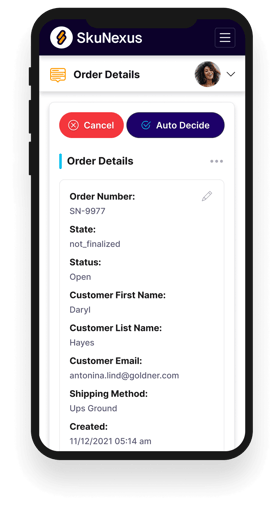
See How SkuNexus Transforms Inventory, Orders, and Fulfillment
- Say goodbye to stock issues with real time inventory tracking
- Make shipping and handling a breeze with our automated system
- Easily manage orders from all your channels in one place