
Shopify Automation & Routing
Shopify merchants know that fulfillment decisions aren't simply about what's available or fast, it's about using the right business logic to achieve consistent, cost-effective, and customer-friendly results. Priority-based routing sits at the heart of these decisions, dictating which locations, methods, or scenarios are activated first under real-world operational pressure. Getting this logic right isn't academic: it directly affects cost, shipping time, customer satisfaction, and even the risk of split shipments or backorders. This guide dives deep into how Shopify priority routing works, the operational nuances, and best practices to ensure priorities actually drive desired fulfillment behaviors, especially in the face of shifting inventory and complex real-world scenarios.
Key Takeaways
-
Shopify priority routing enables merchants to control order fulfillment by ranking warehouses, shipping methods, or specific conditions, which streamlines processing and aligns with business goals.
-
Effective Shopify priority routing can reduce costs, shipping time, and split shipments, but requires clear objectives and routine updates as operations evolve.
-
Outdated inventory data or complex multi-app setups can undermine Shopify priority routing, leading to incorrect order routing and customer dissatisfaction.
-
Regularly reviewing and refining priority logic, including feedback from operations teams, is essential for maintaining optimal alignment between strategy and real-world fulfillment.
-
Shopify’s built-in priority routing is limited in its conditional logic, so merchants with complex needs may require custom solutions or closer integration management.
What Priority‑Based Routing Means in Shopify
How Priority Routing Influences Fulfillment Decisions
Priority-based routing in Shopify refers to the systematic ranking of fulfillment options, such as specific locations, shipping methods, or automated rules, so that orders are processed according to a pre-determined order of preference. When a customer places an order, Shopify evaluates eligible options in order of priority: the first available location at the top of the list typically gets the fulfillment task, unless a hard conflict or unavailable inventory prevents it.
This hierarchy impacts every fulfillment decision, whether it's choosing which warehouse ships the order or determining if multiple methods are considered based on their assigned priority. The most important consequence? Changing a single priority setting can reroute hundreds (or thousands) of orders overnight, potentially shifting shipping volumes, costs, and customer experience.
Why Merchants Use Priority Logic in the First Place
Priority logic is a way for merchants to operationalize business strategy without manual oversight. For example, a retailer might prioritize a regional warehouse close to the customer (to reduce shipping times), or always prefer a lower-cost shipping center to protect margins. Some use priority to tier more reliable partners or to minimize split shipments, especially when SKUs are stocked across multiple sites. Eventually, priority-based routing gives Shopify users a direct mechanism to influence how fulfillment flows align with their real, bottom-line business objectives.
Core Concepts Behind Shopify Priority Routing
Ranking Locations, Methods, or Conditions by Priority
At its core, Shopify's priority routing is about explicit ranking: merchants define a list (or sometimes a set of conditions) that orders must follow. The top of this list gets first chance at fulfilling an order, then the next, and so forth. Priority isn't just about physical locations, it can also apply to preferred shipping methods, certain order types, or tagged conditions. By establishing this clear order, Shopify minimizes decision latency at the point of fulfillment, speeding up processing and reducing ambiguity.
How Priority Hierarchies Interact With Inventory States
Where priority can become complex is its dynamic relationship with real-time inventory. The system checks the highest-priority option for available stock first. If inventory isn't sufficient, it proceeds down the list. When inventory levels are in flux (as with flash sales or daily replenishments), the effective routing can zigzag during a busy day. Outdated or lagging inventory data can cause Shopify to make a routing decision that later proves suboptimal, like routing to a "priority one" location that is, in fact, sold out.
Balancing Priority Against Cost, Speed, and Splits
Merchants adopt priority strategies to optimize some combination of fulfillment speed, shipping cost, and shipment consolidation (reducing split shipments). Very often, these goals compete, prioritizing speed may require using a higher-cost site, while prioritizing cost can drive longer delivery times. For brands with multiple distribution points, the priority logic must not only reflect day-to-day business needs but also accept occasional trade-offs, especially when a strict "location first" approach increases the frequency of multi-box shipments.
Operational Realities of Priority‑Driven Routing
Where Priority Rules Make a Noticeable Impact
Priority-based routing's real impact is most visible when inventory levels, shipping capacity, or demand spike unpredictably. For example, when a high-priority fulfillment site temporarily runs low, the system pivots orders to the next ranked locations. How well this works depends on how well business priorities match the operational landscape, a mismatch can mean underused warehouses or overloaded last-mile partners.
Conflicts Between Priority, Inventory, and Availability
Sometimes, priority settings contradict operational reality: the top-ranked site might be physically closest to most customers but is currently out of stock. In such cases, Shopify's routing will skip to lower-priority sites with available inventory, potentially raising both cost and customer wait time. Layer in external variables, like sudden supply shortages or delayed inventory feeds, and the intended priority logic can easily be undermined by stale data or unanticipated operational hiccups.
How High‑Velocity Sales Stress Priority Rules
Priority routing is always most stable in environments where inventory is relatively stable and easy to predict. But, during flash sales, product drops, or peak promotional periods, inventory availability can change minute-by-minute, sometimes faster than automated routing can keep up. This can result in orders being routed to locations that have technically already "sold out" (as lag between real inventory and system inventory widens), followed by fulfillment exceptions or customer service interventions.
Common Priority Routing Problems in Shopify
When Priority Rules Pick the Wrong Location
One common complaint: Shopify's logic sometimes routes orders to the wrong warehouse, either because priorities weren't updated as business needs evolved or because inventory signals lagged just enough to send an order to the 'old' primary location. This is especially problematic for SKUs stocked in multiple sites, causing redundant labor or unnecessary split shipments.
Unexpected Behavior When Inventory Is Outdated
If inventory updates are delayed (even by a few minutes), priority routing might make decisions on stale data. A typical failure: orders directed to Site A, which appeared in stock when the order was placed, but actually went out-of-stock several seconds before. This leads to fulfillment errors, delay as routing is retried, and occasional customer dissatisfaction, especially when this occurs at scale during high demand.
Difficulties in Multi‑App or Multi‑System Environments
Larger Shopify merchants often use a cluster of third-party apps and integrations. In these setups, priority routing becomes brittle, apps might override or reinterpret core Shopify priorities, or inventory sync may not be perfectly aligned across all systems. The result? Orders processed in unexpected ways, occasionally bouncing between systems or requiring manual intervention to resolve conflicts.
Best Practices for Priority Routing Strategy
Defining Clear Business Objectives for Priority Order
Every priority sequence should emerge from a specific business need: minimize cost, optimize delivery speed, reduce split shipments, or favor a certain region. Ambiguous goals often result in illogical or counterproductive routing priorities. Merchants should document the purpose behind each priority set and revisit these objectives quarterly or after significant operational changes.
Regularly Reviewing and Updating Priority Sets
Today's "ideal" priority can easily become tomorrow's operational headache. Businesses should institute a cadence of priority reviews, ideally, aligning these check-ins with inventory audits or major promotional calendars. Regular revision prevents old priorities from distorting order flow when supply-chain realities shift. A key indicator for review: if split shipments or unexpected shipping costs start increasing without a change in sales mix.
Aligning Priority Routing With Inventory and Fulfillment Ops
Business and operations teams should collaborate closely when designing and maintaining priority logic. Priority isn't set-and-forget: it demands feedback from actual fulfillment and shipping outcomes. Integrating operational feedback, such as incident reports, carrier delays, or changes in inventory velocity, helps ensure priorities reflect real, on-the-ground constraints rather than outdated assumptions.
Limitations of Shopify’s Priority‑Based Routing
Lack of Granular or Conditional Priority Logic
Shopify's priority system focuses on simple ranked lists. It does not natively support highly conditional routing rules, such as dynamic re-prioritization based on order value, customer segment, or real-time fulfillment cost calculations. Merchants requiring multi-dimensional or situation-based priority logic must either accept workarounds or augment Shopify's built-in features with custom development.
Challenges When External Systems Override Priority Rules
The more external integrations in play, be it ERPs, shipping platforms, or inventory management tools, the greater the risk that Shopify's priorities become only one opinion in the fulfillment chain. Conflicts can arise when another system with its own priorities overrides or unintentionally cancels the priority set in Shopify. Resolving such conflicts usually requires close IT coordination, clear rules of system authority, and ongoing monitoring to spot when out-of-sync logic begins to cause operational pain.
Next Steps and Related Guides
Priority-based routing is a powerful tool for aligning operational outcomes with business intent, but it demands ongoing attention, data visibility, and organizational buy-in. Merchants seeking to deepen or troubleshoot their automation logic can learn more in the Shopify Automation & Routing overview, which frames the broader landscape of Shopify automation workflows and routing strategies. Regularly auditing priorities and keeping up with platform changes is the key to ensuring the logic you define continues to serve your evolving operational needs.
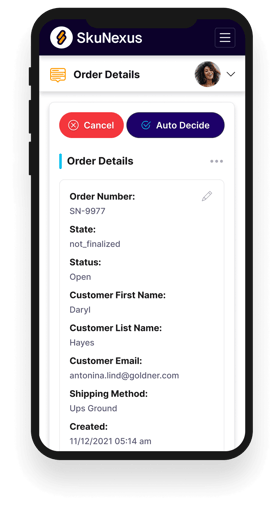
See How SkuNexus Transforms Inventory, Orders, and Fulfillment
- Say goodbye to stock issues with real time inventory tracking
- Make shipping and handling a breeze with our automated system
- Easily manage orders from all your channels in one place