
Shopify Picking & Packing
Ecommerce operations rarely stand still, and for thriving Shopify merchants, scaling fulfillment is a continuous challenge. The leap from picking single orders to orchestrating sophisticated batch picking workflows can be transformational, but it's not just about efficiency gains. Understanding how batch picking works, why and when it delivers value, and the tradeoffs involved is vital. This guide cuts through the noise to examine batch picking in a Shopify context, giving warehouse leads and operations teams a detailed, real-world template for optimizing their workflows.
Key Takeaways
-
Shopify batch picking streamlines fulfillment by allowing pickers to gather multiple orders in a single run, reducing walking time and increasing efficiency.
-
Batch picking becomes critical for Shopify merchants as order volumes grow or during peak seasons with repetitive SKUs.
-
Effective batch picking requires grouping similar orders, optimizing pick routes, and coordinating closely with packing stations to prevent errors.
-
Poorly defined batches or lack of controls can increase the risk of mis-picks and complicate exception handling in Shopify environments.
-
Shopify’s native tools have limited support for advanced batch picking, so high-volume merchants often need external apps or warehouse management systems.
-
Ongoing training, process monitoring, and adapting batch strategies to inventory layout are essential for maximizing the benefits of Shopify batch picking.
What Batch Picking Means in a Shopify Warehouse Context
How Batch Picking Differs From Single-Order Picking
Single-order picking is the most basic fulfillment model: a picker selects all items for one order, takes them to packing, then repeats the process. While simple, this approach causes considerable walking and doesn't scale well once order volumes grow or inventory layouts expand.
Batch picking breaks from this pattern. Instead of working one order at a time, pickers collect items for multiple orders in a single run. The selected batch shares some common logic, often based on SKUs, inventory zones, or shipping deadlines. This means less redundant movement, better alignment between picking and packing, and the potential for major efficiency gains, if executed correctly.
When Batch Picking Starts to Make Sense for Merchants
Batch picking becomes practical when order volume justifies grouping and when enough overlap exists among orders, such as repeated products or similar destinations. It's especially valuable for Shopify merchants seeing peak seasonal volume, consistent product mix, or rapid SKU expansion. The inflection point usually arrives when teams spend more time walking than actually picking or when simple single-order picking can't keep up with demand without adding disproportionate labor. At this stage, merchants need more intelligent order grouping to unlock faster throughput and better labor utilization.
Core Concepts of Batch Picking Workflows
Grouping Similar Orders Into Batches
Every effective batch picking workflow starts by grouping orders based on shared characteristics. Common criteria include identical SKUs, shipping service level, geographic proximity, or order promise date. The operational goal is to minimize complexity during the pick: for example, it's far easier to batch orders with the same three SKUs than orders with 20 unique line items each. In Shopify, native tools are limited: batching typically means hands-on filtering and careful assignment, unless more advanced systems are layered on.
Route Planning and Pick Path Considerations (Conceptual)
Efficient pathing turns batch picking from theory into practice. Once a batch is defined, the next step is optimizing the pick route. Zones, aisle sequencing, and bin locations all factor in. For example: picking all items from Zone A before moving to Zone B cuts backtracking, while batching based on proximity to a main packing area reduces travel time to the hand-off point. Well-planned routes ensure pickers stay focused and don't double back, making each movement count.
Coordinating Batch Picks With Packing Stations
Successful batch picking requires tight choreography between picking and packing. Each batch must be physically separated (often in totes or carts), clearly labeled, and handed off with complete documentation or digital tracking. Packing station staff then break down the batch, associating items back to their original orders, without this, batching introduces risk of mis-shipment. The bridge between batch pick and pack is where many Shopify fulfillment teams invest in color-coding, barcode checks, or simple batching slips to maintain order integrity.
Operational Benefits of Batch Picking
Reducing Walking Time and Picker Fatigue
By consolidating similar picks across orders, batch picking dramatically shortens the total distance walked. If a picker can fulfill ten orders in a single circuit rather than repeating the same route ten times, physical fatigue drops and floor congestion eases. In warehouses with long aisles or multiple mezzanines, this is not just a convenience, it changes the entire throughput equation.
Increasing Throughput and Order Turnaround
Batching is one of the most direct levers for throughput improvement. Picking more orders per run increases capacity, especially during peak periods. When discards, re-routing, or handling are minimized, fulfillment teams can process more orders with the same headcount. For Shopify merchants scaling quickly, this is often the difference between next-day turnaround and mounting backlogs.
Improving Consistency Across Shifts and Teams
A well-structured batching workflow bakes process consistency into every shift. Whether the 8 a.m. crew or the late shift is picking, routines are standardized: pickers know the batch size, the route, the pass-off to packing. This reduces training overhead, eases cross-coverage, and supports a repeatable, metrics-driven approach to fulfillment operations.
Operational Risks and Challenges With Batch Picking
Higher Complexity When Batches Are Poorly Defined
If batch criteria are too broad, or the same SKUs are mixed wildly with unique ones, the practical benefits can swiftly evaporate. Poorly defined batches create extra sorting work at the packing stage and increase the mental load for pickers on the floor. It's not uncommon for first-time batchers to inadvertently create batches that are harder to process than single orders.
Increased Potential for Mis-Picks Without Good Controls
Batch picking increases the sheer number of items handled simultaneously. Without robust controls, such as tote labeling, picklist verification, or checks at packing, the risk of placing items in the wrong order soars. Shopify's native batch support relies on manual diligence, so this risk is compounded for teams without routine double-checks or barcode validation.
Impacts on Exception Handling and Rework
When something goes wrong, a missing SKU, damaged unit, or an order cancellation mid-batch, unraveling the root cause is more involved. Exception handling processes must account for the batch grouping, sometimes requiring additional rework or audits. A simple mistake on a batch pick can ripple across multiple orders, complicating returns and customer communication.
Best Practices for Designing Batch Picking in Shopify Environments
Choosing Which Orders to Batch Together
Deciding how to group orders should depend on picking area layout, SKU profile, and the daily rhythm of order inflow. Seasonal peaks or flash sales dictate tighter batching (more similarity in each batch), while slower periods can accommodate looser criteria. Merchants benefit from running historical analysis, examining orders that naturally cluster, and targeting them for batching.
Aligning Batch Strategies With Inventory Layout
Smart batching is only as good as the fit with your inventory map. Group orders that steer pickers through a logical, progressive path, matching batch composition to how products are physically located. Attempting to batch based on digital logic without physical alignment (e.g., grouping distant SKUs) can undermine the time savings and actually increase picker workload.
Training Teams and Monitoring Performance
Batch picking introduces new routines, so investing in clear SOPs and continuous improvement is key. Merchants should train staff on batch identification, pick/pack handoffs, and troubleshooting errors on the fly. Monitoring picker speed, mis-pick rates, and rework enables teams to refine batch design, closing the loop between process and outcome.
Limitations of Shopify’s Native Support for Batch Picking
Reliance on Apps or External WMS for Advanced Batching
Shopify's native order management offers minimal true batch picking support. While simple filters and manual batching are possible, the platform wasn't built for high-velocity, high-complexity workflows. Merchants needing advanced logic, like dynamic batch sizing, live route optimization, or scanning-driven controls, often encounter functional ceilings. Bridging this gap starts with external systems dedicated to complex batching and fulfillment orchestration.
Challenges in Complex, High-Volume Scenarios
As daily order counts swell and product catalogs grow, the limitations of Shopify's built-in workflows become evident. Large-scale batch picking demands precise control, sophisticated roster management, and responsive exception handling. In these scenarios, purely native approaches typically fall short, unable to support intricate batch criteria, granular tracking, or rapid rerouting. At a certain scale, operational leaders must rethink their toolset or risk bottlenecks and fulfillment errors.
Next Steps and Related Guides
Merchants exploring or refining batch picking in Shopify warehouses should consider this guide a foundation for operational improvements. For a broader look at how picking and packing workflows fit into the entire fulfillment strategy, and for deeper dives on adjacent topics, refer to the Shopify Picking & Packing Workflows overview. Iterating on batch picking is an ongoing effort: success depends on ongoing measurement, iterative batch design, and the willingness to adapt processes as product lines and order profiles evolve.
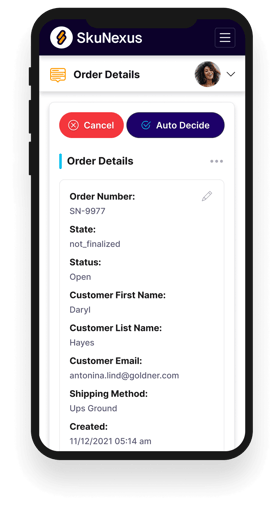
See How SkuNexus Transforms Inventory, Orders, and Fulfillment
- Say goodbye to stock issues with real time inventory tracking
- Make shipping and handling a breeze with our automated system
- Easily manage orders from all your channels in one place